

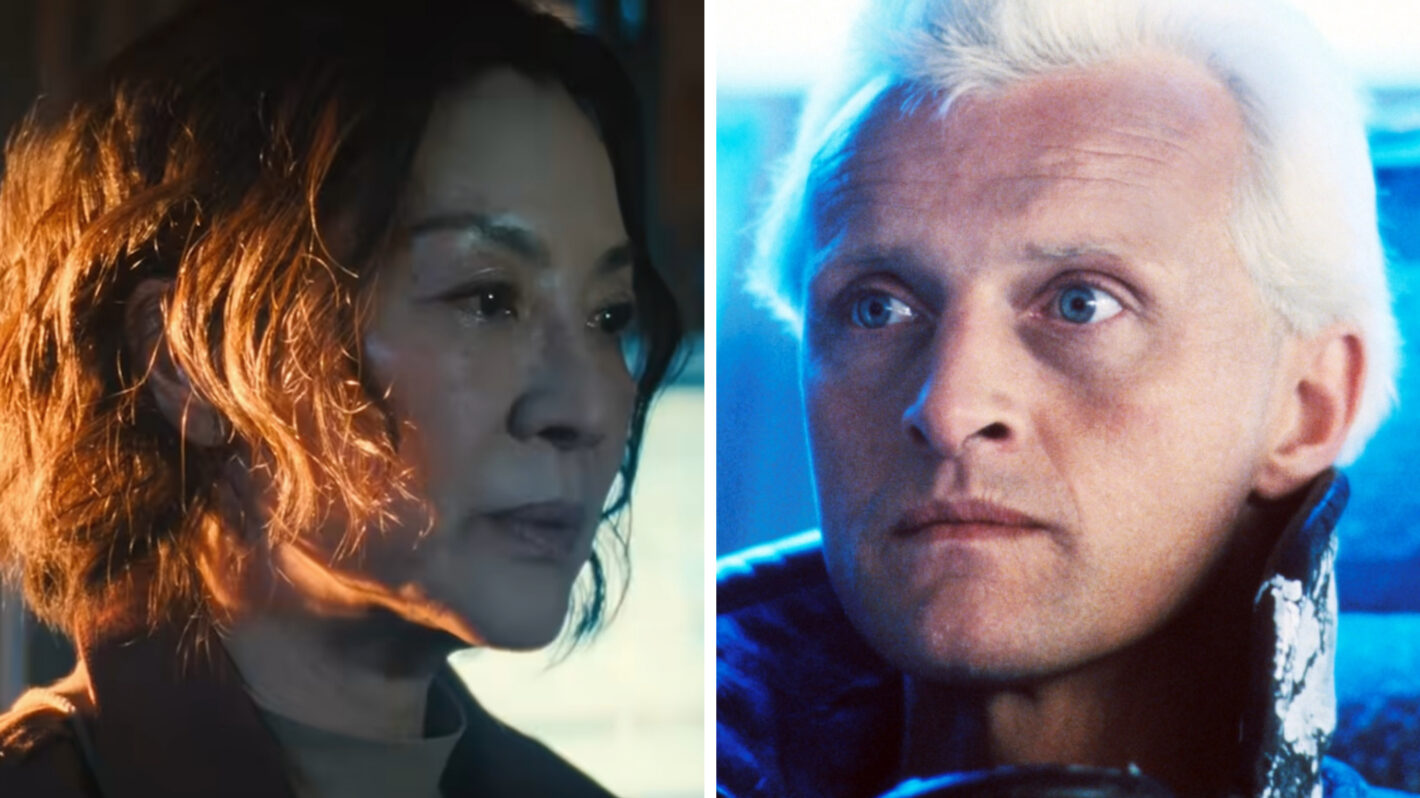
Did ‘Blade Runner 2099’ Just Reveal That Roy Batty Could Have Been Saved? Boss Explains (Exclusive)
One of the most heartbreaking moments in Ridley Scott‘s original Blade Runner is replicant Roy Batty’s (played to perfection by Rutger Hauer) desperate plea for more life, only to be told by his creator that nothing can be done to save him. But what if that wasn’t entirely true?
Prime Video’s Blade Runner 2099 revisits one of the franchise’s biggest philosophical questions and introduces a revelation that could change how audiences view Batty’s tragic fate, his creator Dr. Eldon Tyrell (Joe Turkel), and the true purpose of replicants. And according to showrunner Silka Luisa, it casts one of the original film’s most iconic scenes in an entirely new light. Warning: Spoilers for Blade Runner 2099 ahead!
Who is Roy Batty, and why is his fight for life so particularly poignant?
Roy Batty is the charismatic leader of a group of rogue Nexus-6 replicants in the original Blade Runner. Engineered for off-world combat with a four-year lifespan, Batty leads a bloody mutiny and returns to Earth to confront his creator, Dr. Tyrell, demanding more time for himself and his fellow replicants.
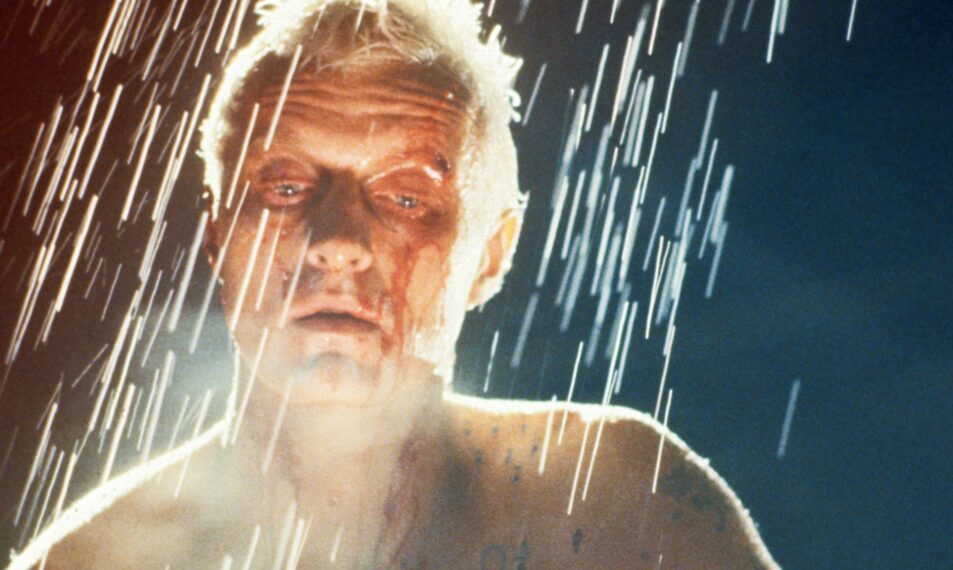
Despite being designed as a disposable killing machine, Batty displays more humanity than many of the humans around him. His struggle against mortality culminates in Hauer’s iconic (and partially improvised) “Tears in Rain” monologue, as he reflects on the extraordinary memories that will die with him.
Warner Bros./Courtesy Everett Collection
How does Blade Runner 2099 continue Roy’s fight?
Fifty years after Blade Runner 2049, replicants now rule Los Angeles, but despite overthrowing their human creators, they remain prisoners of their own biological clocks.
Michelle Yeoh‘s Olwen faces the same fate as Batty, with just eight days left to live. Her former lover, Marek (Johnny Harris), believes the secret to extending replicant life lies in a lost memory belonging to Tyrell, which many interested parties are searching for, including a replicant named Julius (Sam C. Wilson), a surviving Nexus-1 who means to start his own revolution.
What is a Nexus-1?
Unlike the Nexus-6s seen in Blade Runner and beyond, Nexus-1s were created without lifespans, meant to last hundreds of years. Julius wishes to bring his people into a new age, a new dawn, one without death. Like himself. But there is a catch…

Clay Enos/Prime Video
What is the catch?
In Episode 7 “One More Kiss, Dear,” Julius and his followers infiltrate the abandoned Tyrell Corporation headquarters in search of the genetic technology needed to extend replicant lifespans. Clotilde (Amy Lennox), a dying (and somewhat unpleasant) replicant, believes Julius can transform her into a long-lasting, god-like Nexus-1. However, a security guard (Gloria Obianyo) reveals the devastating truth to her: Once a replicant’s biological clock starts, it cannot be stopped. Altering their genetic code would cause their DNA to reject the changes. While the technology can create new Nexus-1 replicants with longer lifespans, it cannot save existing models.
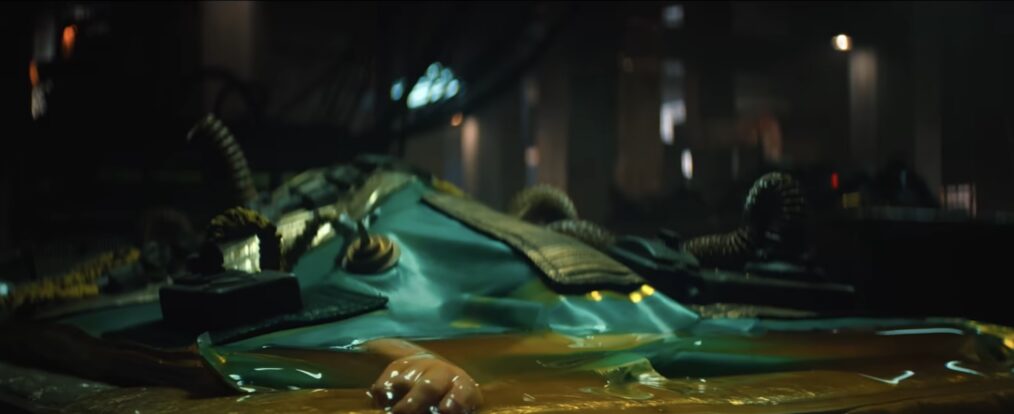
There is only one way for Clotilde to achieve near-immortality, and that is through death and rebirth. Julius has his own machine in which he creates (“birth”) replicants, so to make Clotilde a Nexus-1, he must kill her first.
Prime Video
In terms of what Roy Batty wanted, this revelation suggests that his desperate quest for more life in the original Blade Runner might not have been entirely hopeless.
While Tyrell couldn’t extend Batty’s four-year lifespan, Blade Runner 2099 introduces another possibility: death and rebirth. As Julius demonstrates with Clotilde, it is possible for a dying replicant to be reborn as a longer-living Nexus-1 while retaining their memories and identity.
Theoretically, if the technology existed, Tyrell could have done the same for Roy, allowing him to live on with the extraordinary memories he feared losing.
Although it’s unclear whether Tyrell possessed the technology to accomplish this at the time, the revelation adds a tragic twist to Roy’s story.
What do the showrunners have to say?
The existence of the Nexus-1 models also raises new questions about Tyrell’s original ambitions and why he ultimately created replicants with such limited lifespans. For Blade Runner 2099 showrunner Silka Luisa, the revelation offers a different perspective on Tyrell, suggesting he was more than a ruthless businessman who created disposable labor. He was a dreamer who envisioned replicants as the next stage of human evolution.
“I was always just fascinated with [the Nexus replicants] because it seemed like there was this mystery box that had been buried within the films,” explained Luisa. “Tyrell, he seemed like a person who was a dreamer. My interpretation of him in the film was, ‘This is a poet,’ and his imagination felt like it extended beyond just making a product. And if you follow that back and you think about what his first inspiration was, it wouldn’t necessarily be to make something small that just does labor. It’s really the next us, right? So, if you’re trying to create the next step in evolution, which is a much bigger ambition, what would you modify genetically in order to do that?”
Warner Bros/courtesy Everett Collection
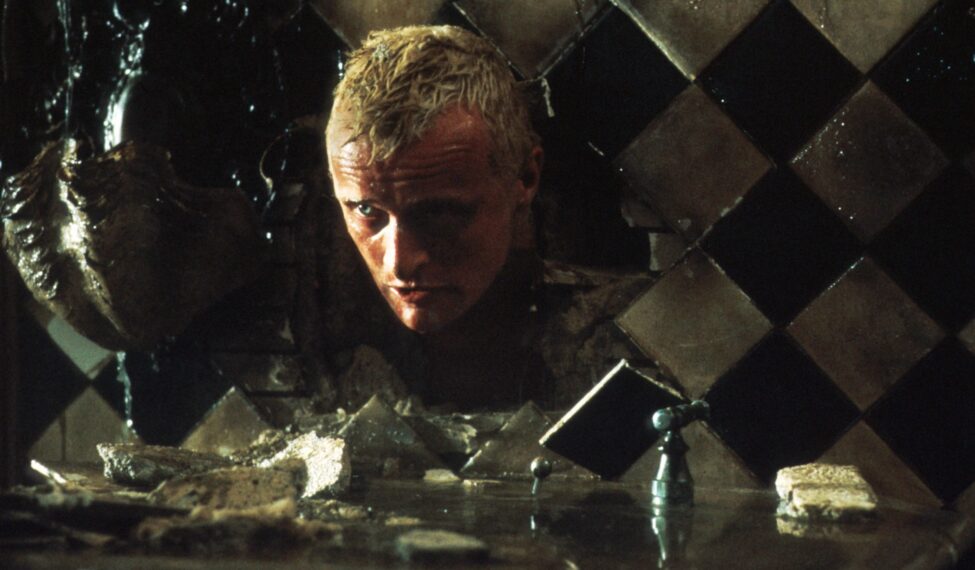
Beyond changing our understanding of Tyrell’s ambitions, the existence of the Nexus-1 models also casts new doubt on his famous confrontation with Roy Batty. For Luisa, the revelation raises the possibility that Tyrell wasn’t entirely truthful when he told Batty there was nothing he could do to extend his life.
“I think the one scene that it changes is the scene with Roy Batty and Tyrell when he says, ‘There’s nothing you can do,’ which I always felt like was a lie anyways. That means that he could have done something potentially to give Roy more life,” explains Luisa.
Luisa added: “I don’t know if it changes how you feel about them because I’ve always connected with replicants because in the films, they have very emotional stories, and that’s what I latch onto. Rachel’s story is this discovery of that you’re something other than you thought you were. Roy Batty is facing his mortality, and spiraling out because of that. Kay [Ryan Gosling] is really looking for connection. Those are such human stories, and I think that’s where your connection to the characters comes from.”
Blade Runner 2099, Now streaming, Prime Video
0 Comments